Translate

maandag 9 juni 2014

Bezoek aan Graham's

De afgelopen dagen mocht ik met een groep @Wijnkring ondernemers het premium porthuis Grahams bezoeken. Onderstaand treft u een verslag van de reis.


Op zondag 1 juni vertrokken wij met Transavia vanaf Schiphol naar Porto. Na een voorspoedige vlucht (met net iets te weinig beenruimte) namen we de taxi naar Restaurant O Gaveto. Hier werden wij opgewacht door onze "guide" Pedro Leite.
Wij werden getrakteerd op een fantastisch sea-food banket en een super typisch Portugese rijst-sea food schotel.


Het dessert was een combinatie van twee eiergerechten en natuurlijk een zachte kaas.

Na dit diner brachten de taxi chauffeurs ons met ongekende snelheden naar ons prachtige Hotel Teatro (www.hotelteatro.pt), een design hotel, ietwat donker van binnen maar meer dan 5 ster waardig.


Maandag 2 juni
Na een korte nacht en een groots Europees ontbijt vertrokken wij naar de Graham's 1890 Lodge. De rondleiding door een poolse dame startte met een nieuwe video presentatie over de historie.

Impressie van museum van de Symington famlie:


The Grahams Lodge is gebouwd in 1890 op de heuveltop in Vila Nova de Gaia. Vanaf het terras heeft u een prachtig uitzicht over de Douro en de stad Porto. het unieke microklimaat ter plaatse is perfect voor het ouderen van Portwijnen.

In de kelder liggen de "pipes" hoog opgestapeld. De groep genoot van de tour, veel kennis werd hier opgedaan over dit bijzondere wijnhuis.


Na de rondleiding mochten we proeven:

  1. Graham's Six Grapes: heerlijk diep rood fruit, veel kruidigheid. Perfect bij chocolade dessert of sterk smakende kazen
  2. Graham's The Tawny: gekoeld tot 12-14 graden celcius, diepe amberkleur. Kaneel, pruimen, rozijn en vijgen in de afdronk. Heerlijk bij o.a Crème Brûlée.
  3. Graham's 10 year old tawny: mooie bruinige kleur, tonen van honing en vijgen. Heerlijk bij appeltaart met kaneel.
  4. Graham's 20 year old tawny: gouden kleur tinten, veel tonen van noten in de neus en smaak. Te serverven bij noten, gedroogd fruit, fruitcake of met vanille ijs.
  5. Graham's 40 year old tawny: licht amber goud kleurig. De geur is overweldigend. Whisky drinkers halen hun hart hierbij op. Super intens in de smaak, heel delicaat. Hier moet donkere chocolade bij (75%).
  6. Graham's Single Harvest Tawny 1969: overweldigende kleur, diep amber. Tonen van noten, rijpe vijgen. Deze special edition wordt slechts in een oplage van 712 flessen op de markt gebracht.
  7. Graham's Vintage 1983: prachtig paars van kleur, verbazingwekkend hoe veel fruit en zuren nog aanwezig zijn in deze wijn. Prachtig! Onder het genot van wat harde kazen en een sigaar....
Na een voortreffelijke lunch in Restaurant Vinum (http://www.vinumatgrahams.com/) vervolgden wij onze reis per trein naar Tua, een klein dorp waar Quinta Dos Malvedos gelegen is.


 's avonds na het diner kregen we nog een aantal zeer mooie port wijnen te proeven. De klapper van de avond Grahams Vintage 1975


De volgende dag hebben wij de wijngaarden bezocht en de gebouwen waar de druiven worden geperst en vergist. Na deze rondleiding werden wij per boot naar Pinhao gebracht alwaar wij een lunch kregen in Restaurant LBV79.


Origineel vat uit 1903

replica van oude pronk waarmee pipes naar Porto werden verscheept


Na de lunch werden met de boot teruggebracht naar de Quinta. Hier hebben we 's avonds nog een aantal zeer fraaie wijnen mogen proeven. Waaronder een vintage 1977.

De verticale proeverij van Grahams Vintage Malvedos was er één om nooit te vergeten.


 Na een goede nachtrust werden wij op woensdag ochtend uitgezwaaid. 's middags mochten wij lunchen in The Factoryhouse (http://blog.grahams-port.com/tag/factory-house/)


Het was een wonderbaarlijk mooie reis!

donderdag 22 mei 2014

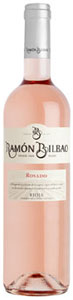
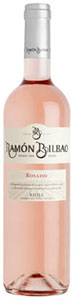
Delicate, pale...Rioja?


Pale, light and delicate, with an elegant freshness and fruity flavour… Ramón Bilbao Rosé is not a traditional Rioja - it is today’s Rioja.
Rioja Rose
The Alto Najerilla region, the coldest vine growing area in Rioja, has long been producing pale, dry style rosés - just like those from Provence that are gaining so much popularity around the world. At high altitudes between 550-700m above sea level, the terroir here is poor and shallow with clay chalk soils. Temperatures vary between 20-24ºC during the day and 3º-8ºC at night in the last stage of the ripening period - all of which is perfect for producing grapes for ‘Clarete’ rosé wines.

We’ve been drinking these wines at home and in restaurants for decades - and now you can too. Our Ramón Bilbao Rosé 2013 is made from 100% Garnacha grapes using the saignée method and is a completely different shade of pink than the deeply coloured Spanish rosés that are so often found outside our country.

Pale salmon pink in colour, our wine has aromas of fresh red berries on the nose, and flavours of strawberries and light citrus fruits on the palate with a zesty acidity that is just perfect for summer drinking.

You can find Ramón Bilbao Rosé 2013 at Hercules Wine Warehouse, Noel Young Wines and Ellis of Richmond at around RRP £9 per bottle.

Watch the tasting video of the Ramón Bilbao Rosé below:
Further information visit bodegasramonbilbao.es/en#


zaterdag 10 mei 2014

Robert Parker tasted Domaine Cazes

Domaine Cazes 
Frankrijk
 
Domaine Cazes is één van de grootste en meest toonaangevende biodynamische wijnhuizen van Europa. Hun visie is het ecosysteem in vrijheid zijn werk te laten doen met gezondere wijngaarden en zuivere, levendige en smaakvolle wijn tot gevolg. Het proces wordt volledig gecontroleerd door 'Ecocert', de officiële instantie die alleen bij het naleven van zeer strenge regels het 'Eco certificaat' toekent.
Verschillende wijnboeren in Roussillon hebben hun kennis en materiaal gebundeld om een commerciële structuur te creëeren, om zo aan de vraag te voldoen van vele mensen over de continenten heen. Domaine Cazes is toonaangevend in deze groep en behoort tot de topproducenten in de Roussillon.
In Nederland wordt Domaine Cazes geimporteerd door www.verbunt.nl en verkocht http://www.wijnkring.nl/ 
Robert Parker bezocht onlangs dit mooie domaine. Hij beoordeelde de wijnen alsvolgt:


SOUTH AFRICAN WINE: HARVEST REPORT 2014*

Wine harvest promising despite challenging season
SOUTH AFRICAN WINE: HARVEST REPORT 2014*

Despite a challenging season characterised by high, and in some instances untimely rainfall, the South African wine industry expects an average sized, good quality wine grape harvest, with exceptional harvests in especially the coastal regions. This according to VinPro, the representative organisation for close to 3 600 South African wine producers and cellars.

The harvest commenced one to two weeks later than normal, due to late, cold winter conditions and a cooler spring. High rainfall mid-November and in January led to producers having to irrigate much less, but applying stricter disease control measures at higher input costs to limit losses.

Above average yields of exceptional quality were specifically obtained in the coastal regions, while irrigated areas also achieved good crops despite loss due to rot. The effect of a greater drive from producers to increase production and enhance profitability is evident from increased crop levels.

However, the Orange River experienced the greatest frost damage in years, which had a substantial effect on the harvest.

The total harvest will be approximately 2.6% smaller than the record harvest in 2013 and consumers can look forward to high quality wines from the 2014 harvest year.

Crop size** – The 2014 wine grape crop is expected to reach 1 459 636 tons according to the latest estimate (30 April) of the SA Wine Industry Information and Systems (Sawis).

The 2014 wine harvest – including juice and concentrate for non-alcoholic purposes, wine for brandy and distilling wine – is expected to amount to 1 130.5  million litres, calculated at an average recovery of 774 litres per ton of grapes.

2013/14 Growing season – A very good cold and wet winter filled water supplies to capacity, ensuring even bud burst.

Initial vineyard growth was slow due to late cold fronts in August, followed by cool, wet weather at the beginning of the growing season. This led to a high incidence of disease, and rainfall mid-November further hampered effective disease control by creating challenging spraying conditions and limiting access to vineyards. As a result, downy mildew resulted in crop losses early on in the season in some areas.

The climate was favourable for flowering thereafter, and good berry set was obtained. However, after the high rainfall mid-November, vigorous growth ensued, requiring extra input to ensure high grape quality and disease prevention via good canopy aeration and sunlight exposure.

Widespread rainfall at the beginning of January – more than 150 mm in the course of four days in the Breede River Valley – increased pressure due to disease and rot even further, while the coastal regions weren’t affected as severely by the rain.

Ideal dry, moderate conditions reigned during ripening in January and mid-February, after which a warm period accelerated ripening and resulted in great pressure on intakes in some areas.

Cooler weather in March enhanced colour formation and flavour retention in later red cultivars. Regular rainfall at the end of March delayed ripening again and extended the harvest to mid-April.

Wine potential – Producers, viticulturists and winemakers look forward to a promising harvest with regard to quality. Moderate climate conditions during the harvest season contributed to intense colour, exceptional flavour and good structure in the red cultivars. White wines are expected to be particularly fruity and tropical, with fresh characteristics.

Breedekloof – An ideal year with exceptional quality and size; good colour in the red wines.

Klein Karoo – A good, but smaller harvest than the record harvest in 2013, with outstanding Shiraz, Chardonnay and Merlot.

Malmesbury – Higher yield of remarkable quality due to good soil moisture conditions in this mainly dryland area.

Olifants River – A somewhat smaller harvest due to rot challenges, but with promising white and red wine quality.

Orange River – Great frost damage resulted in a substantially lower yield; Colombar, Chenin Blanc and muscadel wines show good potential.

Paarl – An exceptional year, with much higher yields – especially in dryland areas – and the promise of very high quality wines.

Robertson – A late and challenging year, with good quality and average production.

Stellenbosch – One of the wettest seasons in years has coincided with an outstanding harvest with regard to crop size and quality.

Worcester – Despite a very challenging season, above average yields were obtained, with exceptional Chenin Blanc quality.

* An agricultural/viticultural report
** Crop sizes are based on the Sawis estimate of 30 April 2014.

See www.vinpro.co.za for the detailed harvest report per district.

ISSUED BY VINPRO.
Enquiries: 
Jana Loots
VinPro Communications Manager
Tel: 021 863 1047 / 082 853 4029
E-mail: jana@vinpro.co.za